
About
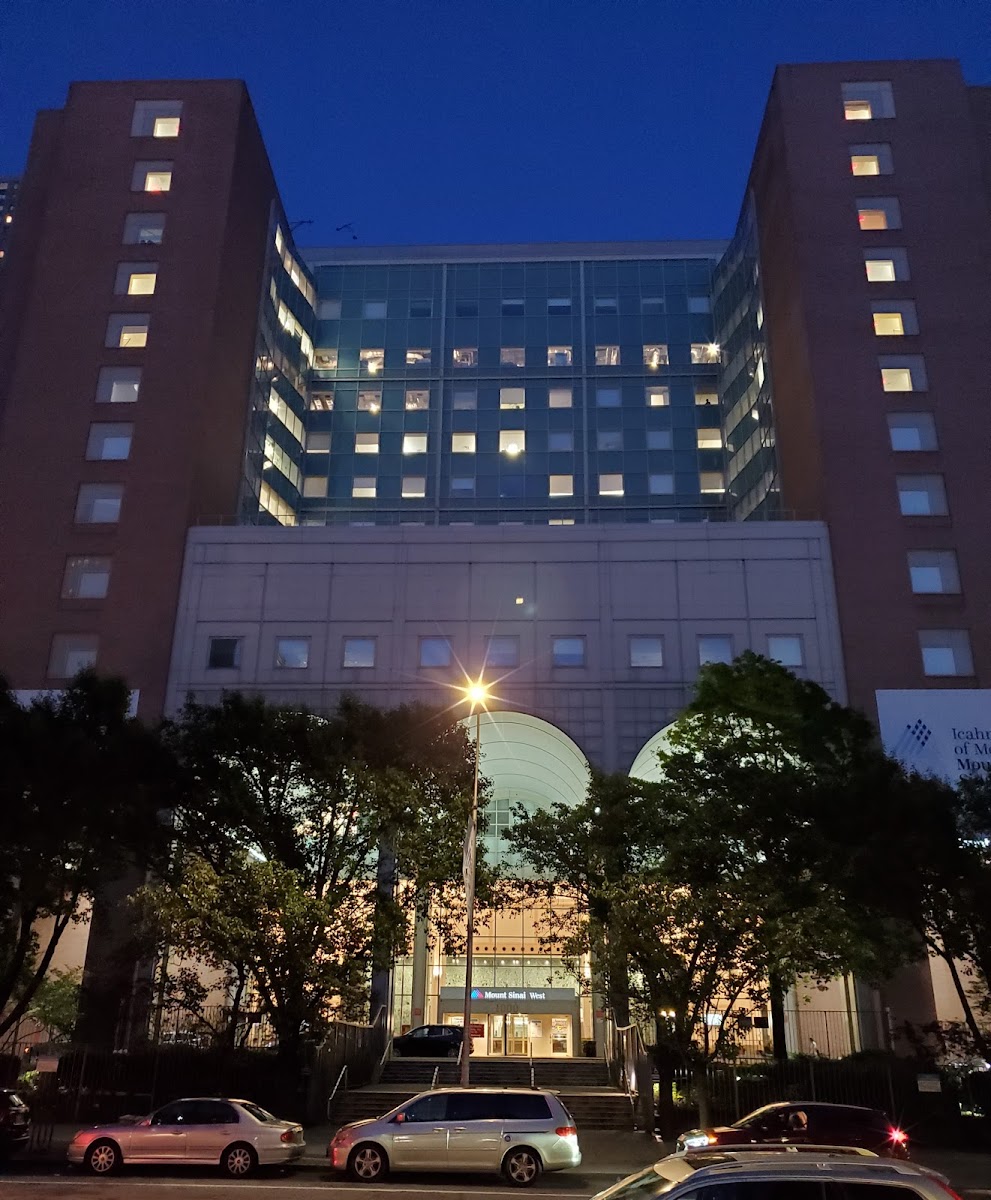
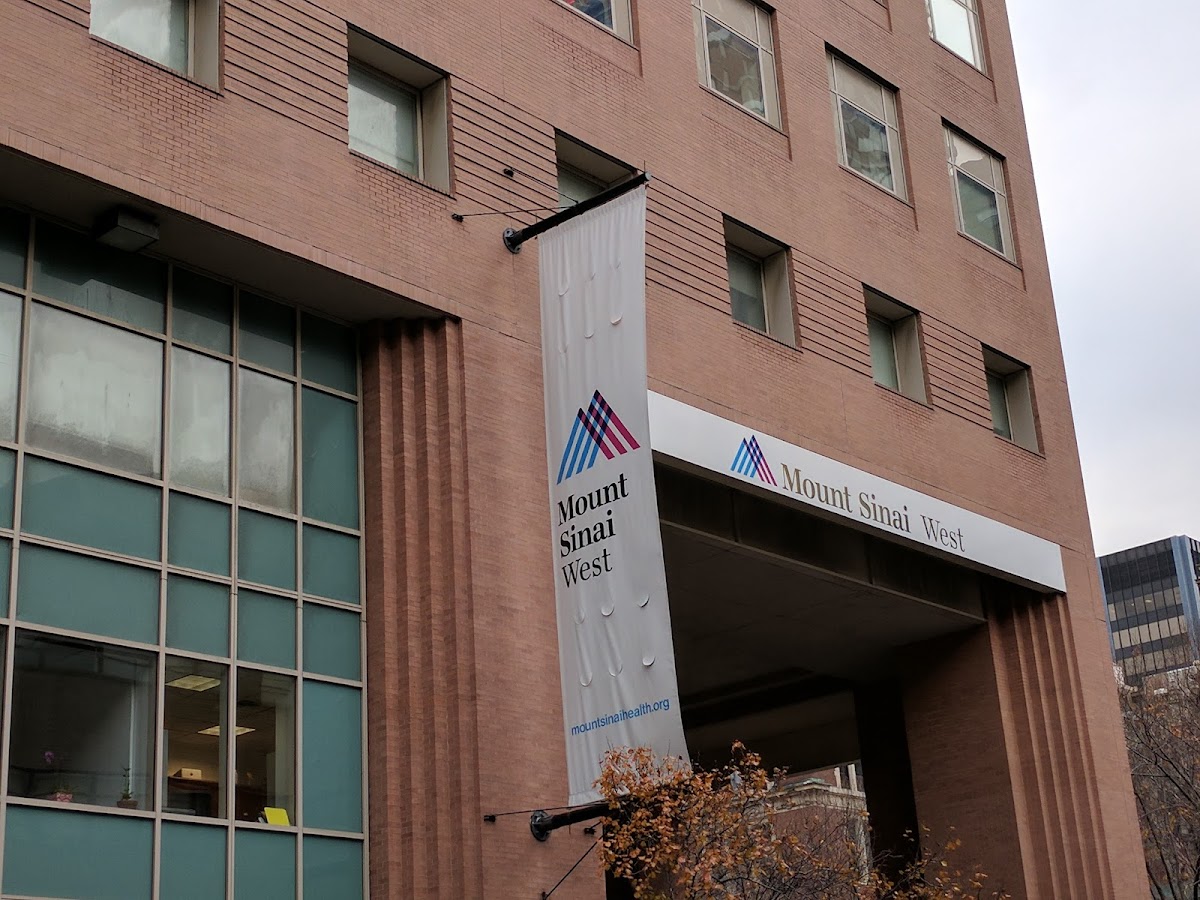
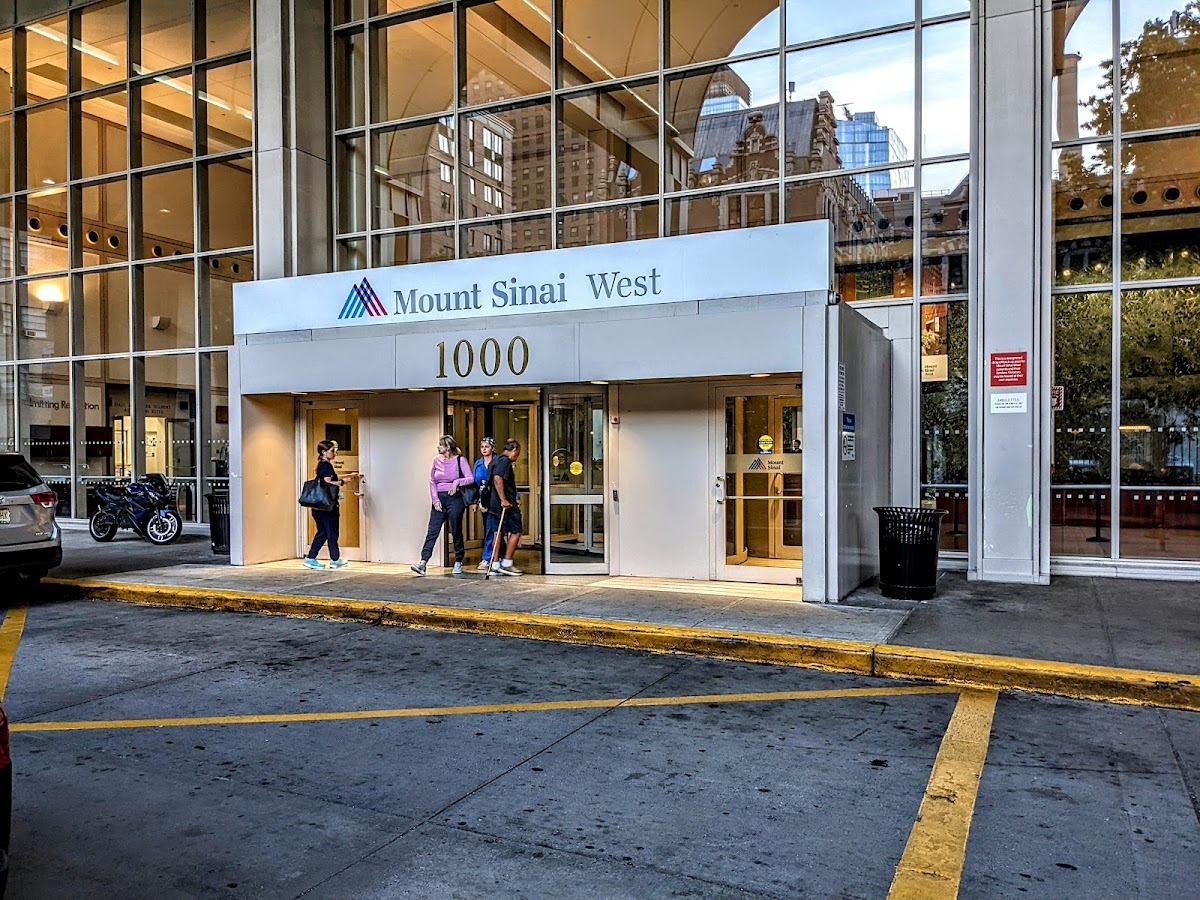
Mount Sinai West, located at 1000 10th Avenue in New York City's vibrant Midtown West neighborhood, stands as a beacon of medical excellence with a legacy spanning over 150 years. Originally founded in 1871 as Roosevelt Hospital through the generous bequest of James Henry Roosevelt, who dedicated his fortune to establishing 'a hospital for the reception and relief of sick and diseased persons,' the institution opened its doors on November 2, 1871, after additional fundraising efforts enabled construction. This philanthropic vision transformed a simple endowment into a cornerstone of healthcare, beginning with modest facilities that quickly evolved to meet the growing needs of New Yorkers.[1][5] From its inception, Roosevelt Hospital pioneered medical advancements, hosting milestones such as William Halsted's performance of the first radical mastectomy for breast cancer in the United States in 1882 and Robert Hall's groundbreaking early surgical removal of a perforated appendix in 1886, marking one of the nation's first survivals from such a procedure.[5] The William J. Syms Operating Theater, funded by a $350,000 bequest from gun merchant William J. Syms and designed by architect William Wheeler Smith, emerged as one of the earliest facilities equipped for aseptic surgery, featuring innovative elements like a conical skylight for natural light, separate circulation systems, and specialized rooms for recovery and sterilization. Designated a New York City landmark, this free-standing structure hosted surgeries until 1941 and later served diverse roles including blood bank and emergency room.[1][5]
Throughout the 20th century, the hospital—renamed Mount Sinai West in 2015 upon its integration into the prestigious Mount Sinai Health System—continued its trajectory of innovation. Key developments included the establishment of an Intensive Care Unit in 1960, one of the first in metropolitan New York; a four-bed Respiratory Intensive Care Unit in 1967, pioneering multi-disciplinary respiratory care; and the opening of outpatient psychiatric services for adolescents in 1956, the first in a New York City voluntary hospital.[4] Other landmarks encompass the 1996 launch of the city's first hospital-based birthing center, a renovated Emergency Department in 2009, and the Adolescent Headache Medicine Program that same year.[4] These achievements reflect a commitment to pushing boundaries, from cardio-pulmonary laboratories in 1957 to full computerization of physician orders alongside St. Luke's Hospital.[4] As part of the Icahn School of Medicine at Mount Sinai, Mount Sinai West benefits from a rich history intertwined with the broader Mount Sinai legacy, which began in 1852 to provide free care for indigent Jews and expanded into comprehensive services.[3]
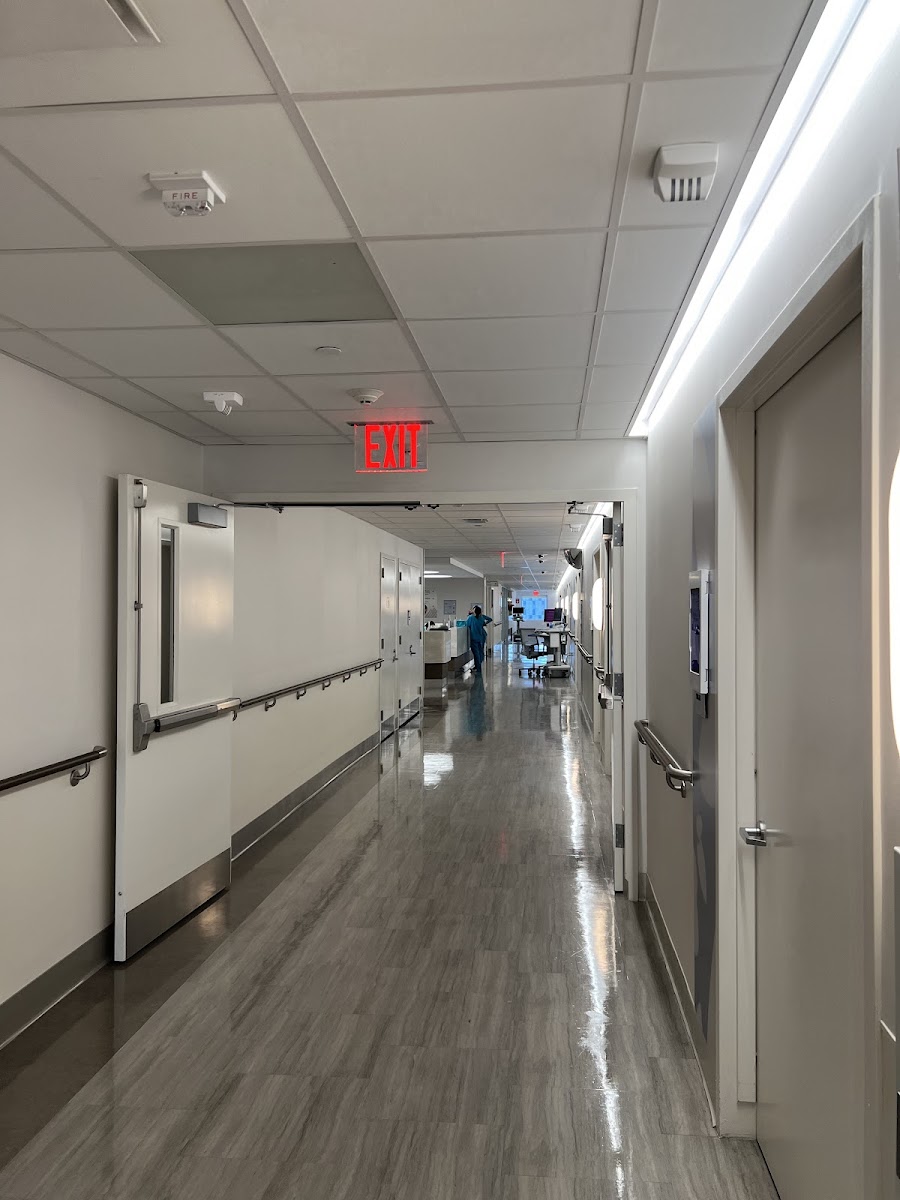
Today, this 514-bed full-service medical center operates a 24/7 emergency department, serving patients from Midtown, the West Side of Manhattan, and beyond with renowned expertise in specialties such as orthopedics, hand surgery, breast surgery, colorectal surgery, vascular surgery, neurology, neurosurgery, obstetrics and gynecology, neonatal intensive care, urology, and gastroenterology.[1][2] It excels in treating complex conditions like intracerebral hemorrhage, movement disorders, epilepsy, complex aortic aneurysms, and kidney stones, bolstered by a strong primary care presence in surrounding neighborhoods.[2] The mission of Mount Sinai West, rooted in its founding principles, is to deliver high-quality, innovative care while leveraging the vast resources of the Mount Sinai Health System for seamless, comprehensive treatment.[2]
What sets Mount Sinai West apart is its unique blend of historical prestige and modern prowess. Unlike standalone community hospitals, its affiliation provides access to cutting-edge research, multidisciplinary teams, and system-wide specialists, ensuring patients receive world-class care close to home. The hospital's enduring volunteer services, social work departments established in 1933, and community-focused initiatives—like free library services since 1931—underscore a holistic approach that balances medical and social needs.[4][5] Recognized for innovations from aseptic surgery to robotic procedures, Mount Sinai West continues to lead, as evidenced by recent system-wide feats like the 500th robotic cystectomy in 2024.[3] This fusion of heritage, expertise, and patient-centered innovation distinguishes it in New York City's competitive healthcare landscape, making it not just a hospital, but a vital partner in health and healing for generations.