
About
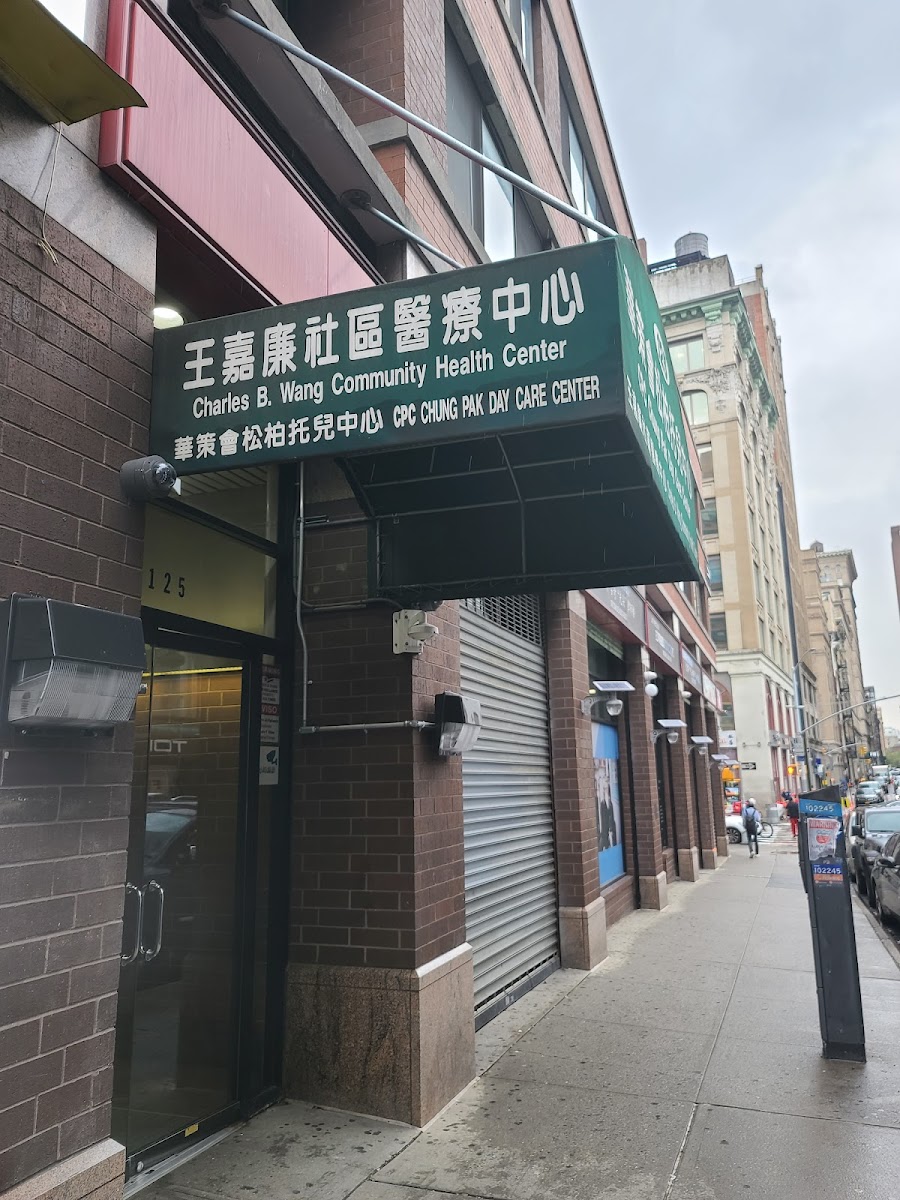
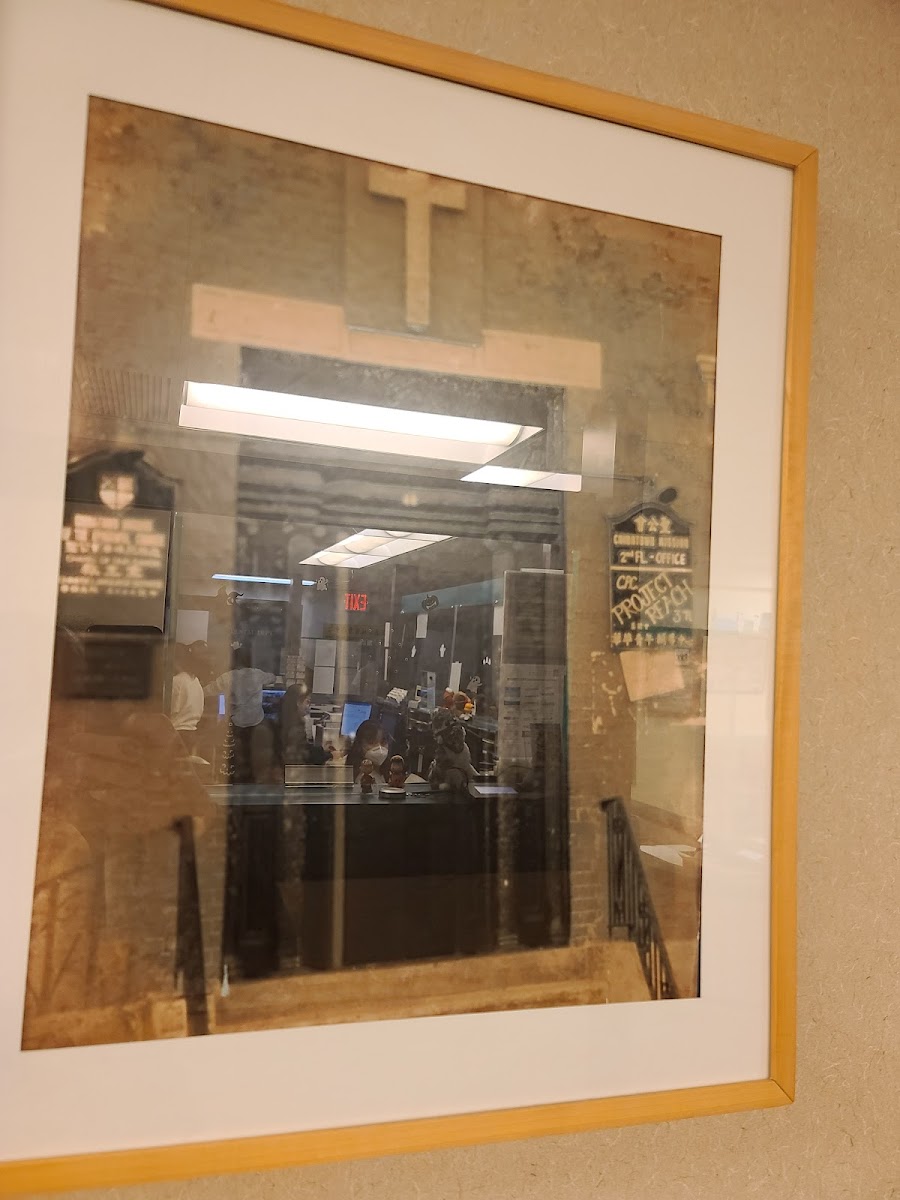
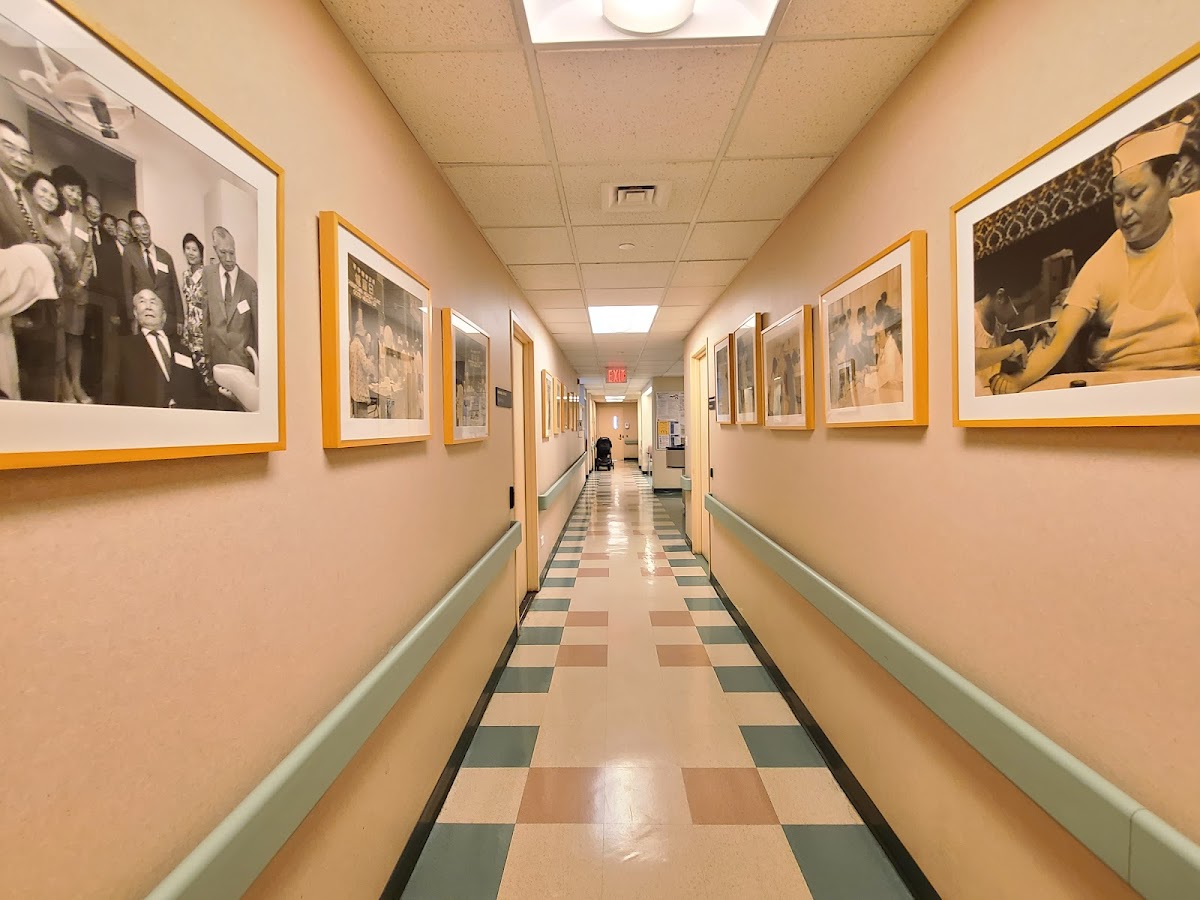
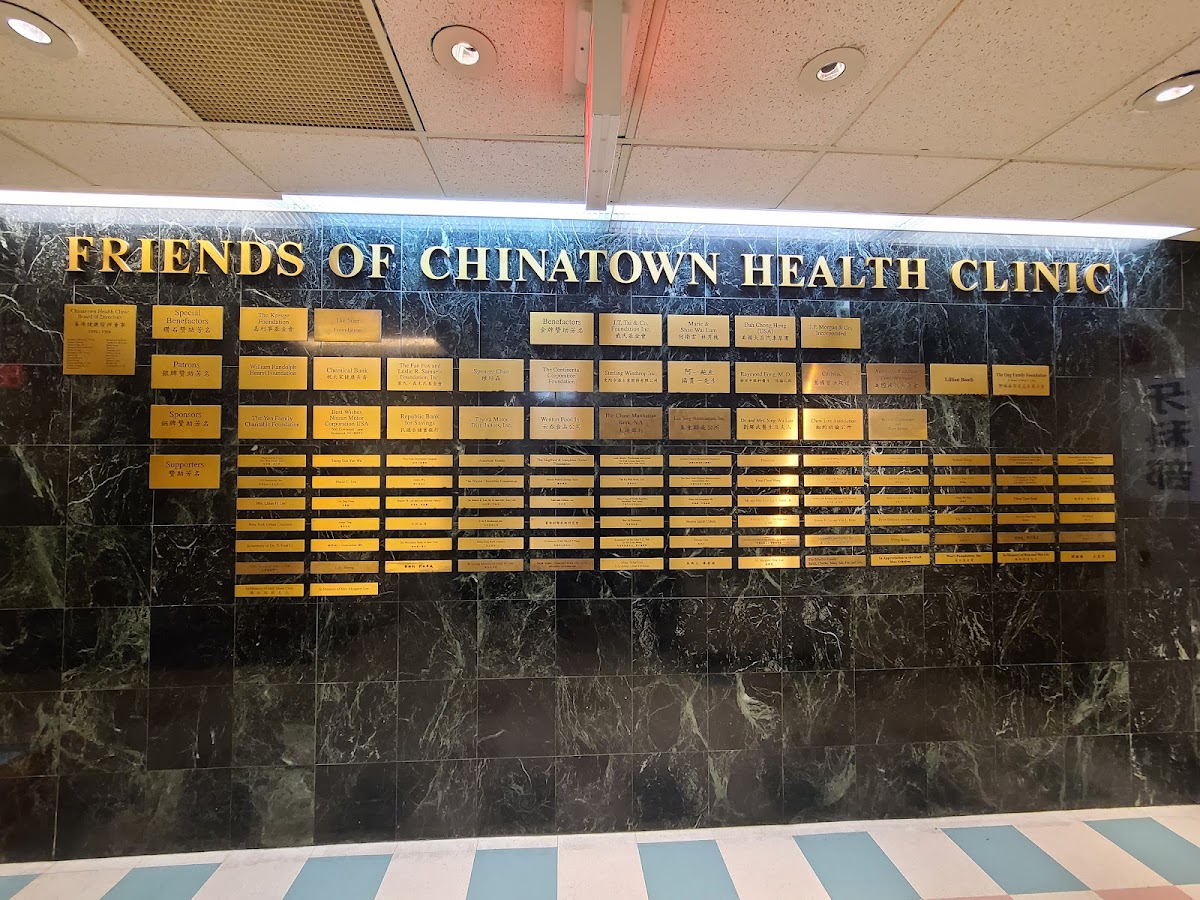
The Charles B. Wang Community Health Center (CBWCHC) is a cornerstone of community-based, patient-centered healthcare in New York City, specifically serving the Asian American population and other underserved communities with a profound commitment to accessibility, cultural competence, and holistic wellness. Founded in 1971 as a small storefront clinic in Manhattan's Chinatown by a group of dedicated medical students and community activists, it has grown into a vital, multi-site Federally Qualified Health Center (FQHC) Look-Alike. Its mission, "To provide excellent, community-responsive primary care with dignity and respect to all, especially the underserved," is the driving force behind every service and initiative. The health center was renamed in 2006 in honor of Charles B. Wang, the co-founder of Computer Associates International and a visionary philanthropist whose generous support cemented its future growth and impact.
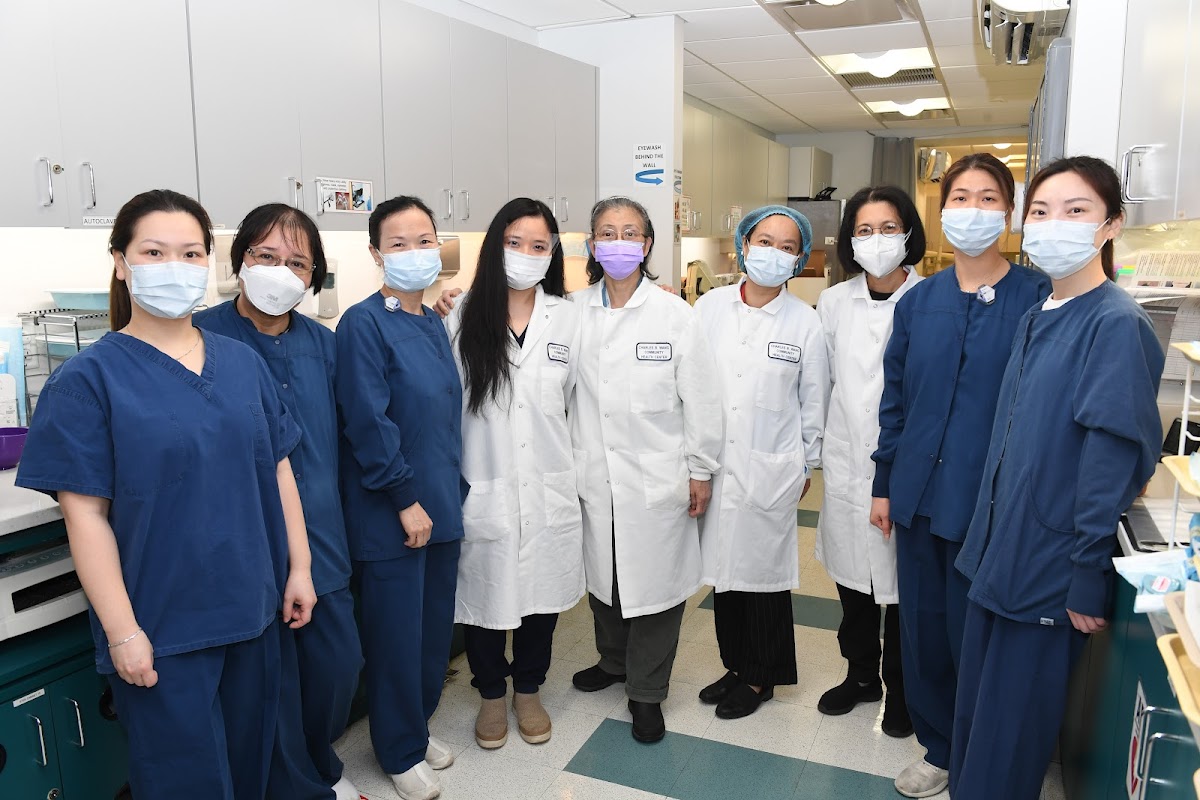
What truly sets the Charles B. Wang Community Health Center apart is its deep, authentic integration into the fabric of the communities it serves. It operates on the fundamental understanding that health extends far beyond the clinical encounter, encompassing socioeconomic factors, language, culture, and trust. The center is renowned for its unparalleled linguistic and cultural competency, providing services in over a dozen Asian languages and dialects, including Mandarin, Cantonese, Toisanese, Fujianese, Korean, and Burmese. This eliminates the most significant barrier to care for immigrant populations—the inability to communicate symptoms, concerns, and history effectively with a provider. The staff, from front-desk personnel to physicians, often share the cultural backgrounds of their patients, fostering an environment of familiarity, respect, and mutual understanding that is rare in mainstream healthcare settings.
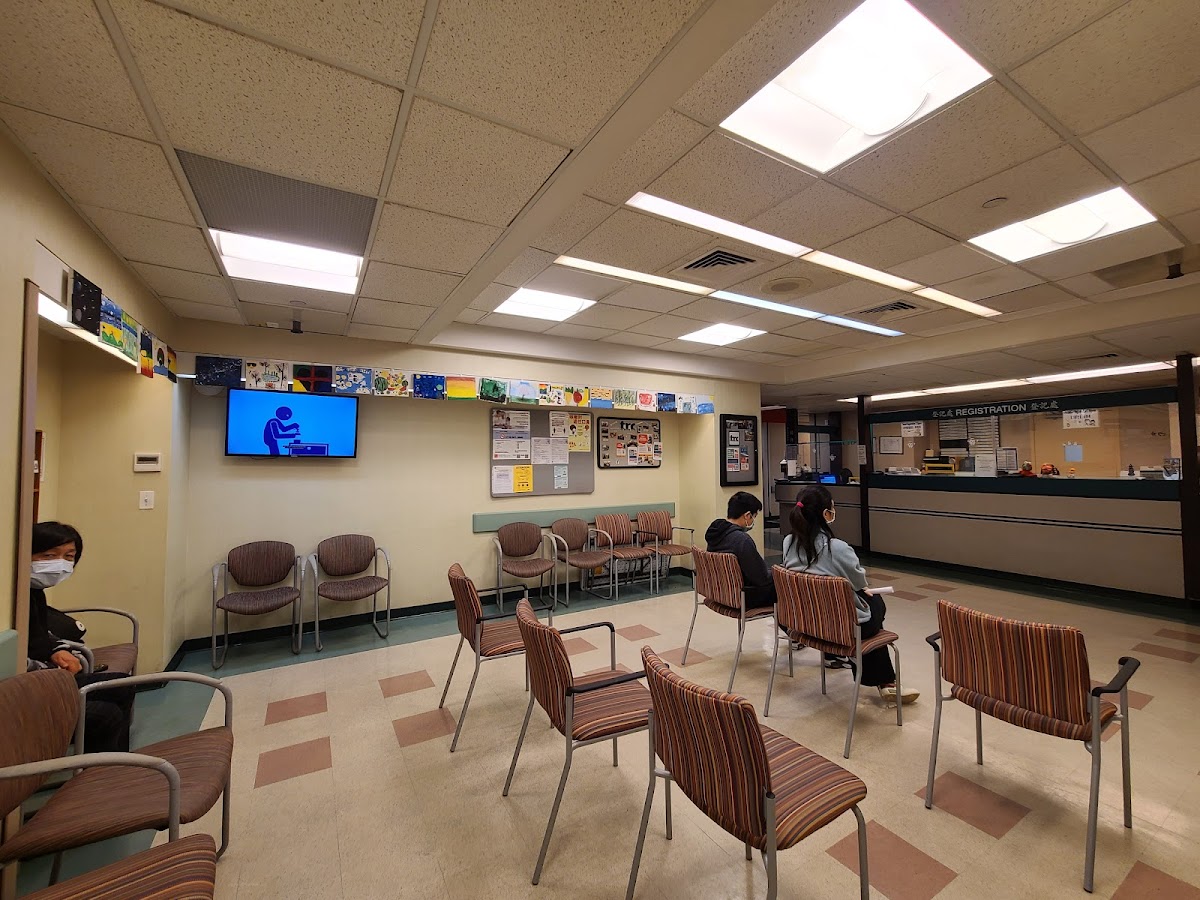
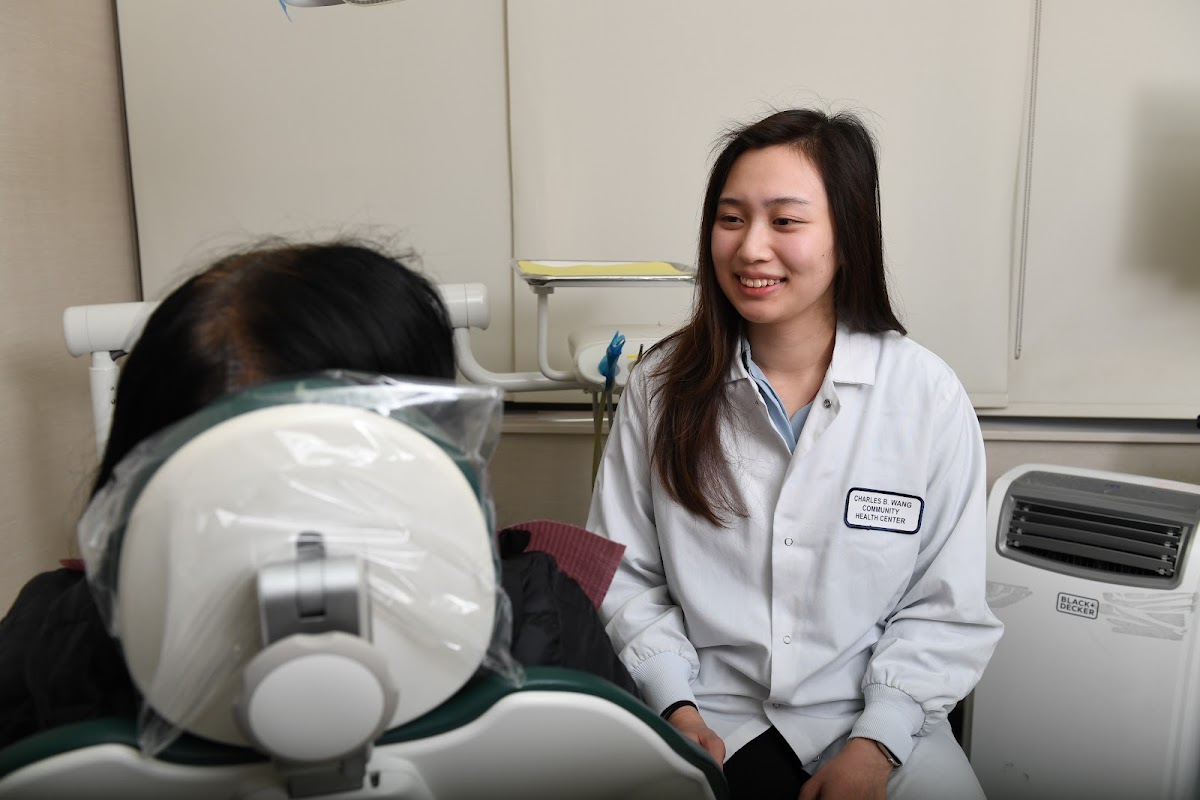
The center's expertise lies in delivering comprehensive, integrated care under one roof. It moves beyond the traditional sick-care model to embrace a true health-and-wellness paradigm. Its services are meticulously designed to address the specific health disparities observed within the Asian American community, such as higher rates of Hepatitis B, tuberculosis, and certain cancers, while also managing the full spectrum of primary care needs. The Walker Street location, situated in the heart of Chinatown, is a critical access point for a dense population of immigrants, seniors, and low-income families. The center’s unique value proposition is its 'one-stop-shop' model that seamlessly blends medical, dental, and behavioral health with enabling services like health education, interpretation, benefits assistance, and community outreach. This integrated approach ensures that a patient managing diabetes, for instance, can see their primary care provider, a nutritionist, a mental health counselor, and a benefits specialist in a coordinated, supportive loop, dramatically improving health outcomes.
Furthermore, CBWCHC distinguishes itself through its unwavering commitment to serving everyone, regardless of their ability to pay. It operates on a sliding fee scale based on family size and income, and its staff are experts in navigating patients through insurance enrollment, including Medicaid and Essential Plan options. This financial accessibility is as crucial as its linguistic accessibility. The center is not just a healthcare provider; it is a community institution and a powerful advocate for health equity. It conducts targeted outreach programs, screening events, and educational workshops in community settings like schools, temples, and senior centers, proactively bringing care to where people live and gather. In a city of world-class medical institutions, the Charles B. Wang Community Health Center stands out for its profound humanity, its grassroots connection, and its relentless dedication to ensuring that the most vulnerable neighbors are not left behind, but are instead centered in a system of care that honors their dignity, language, and culture at every step.