
About
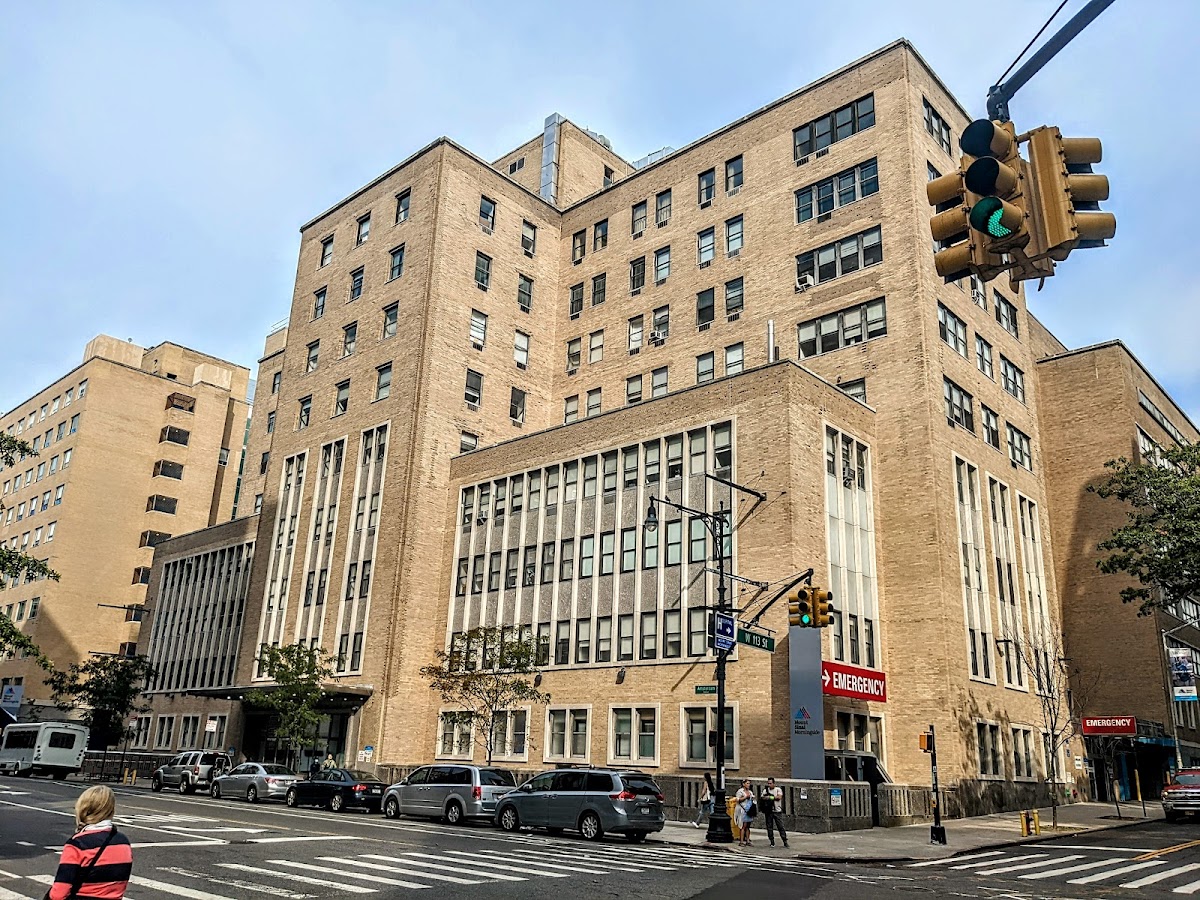
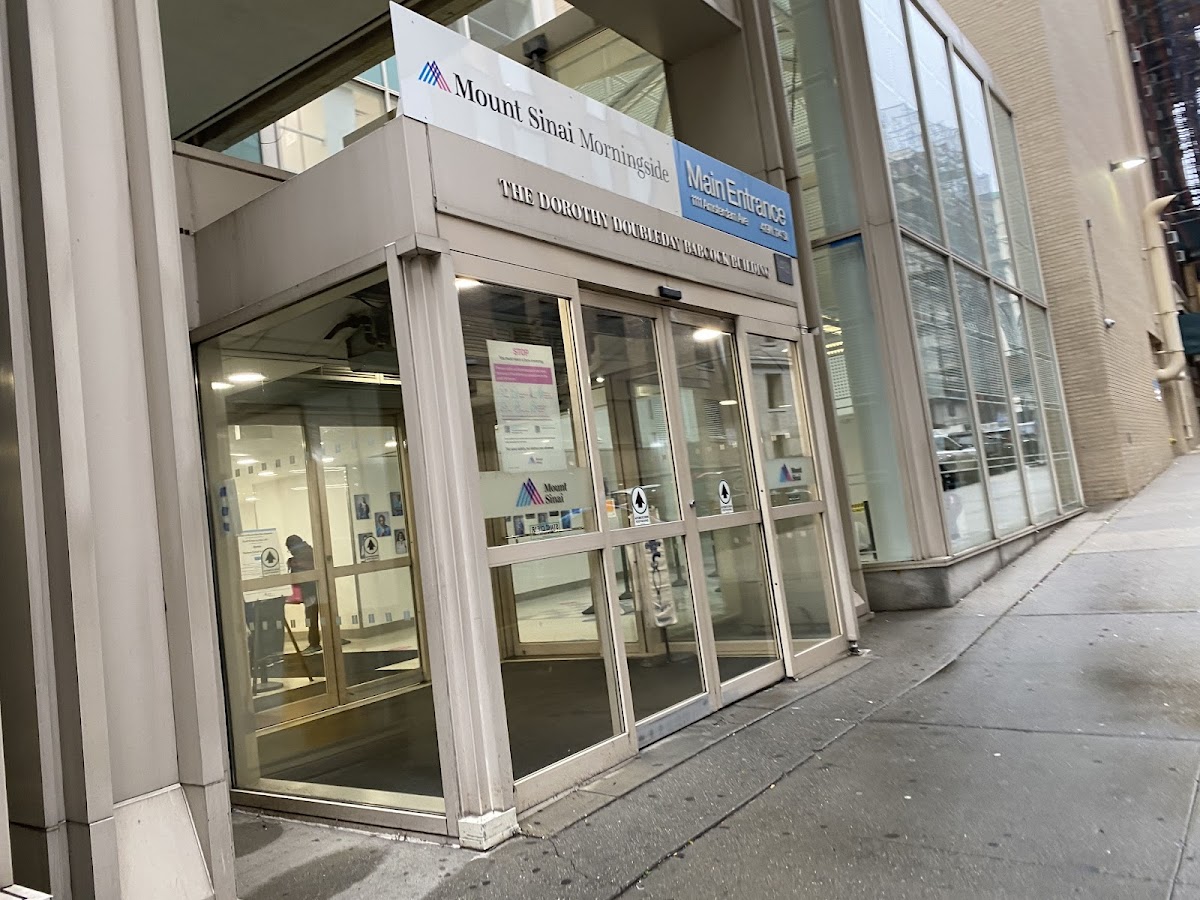
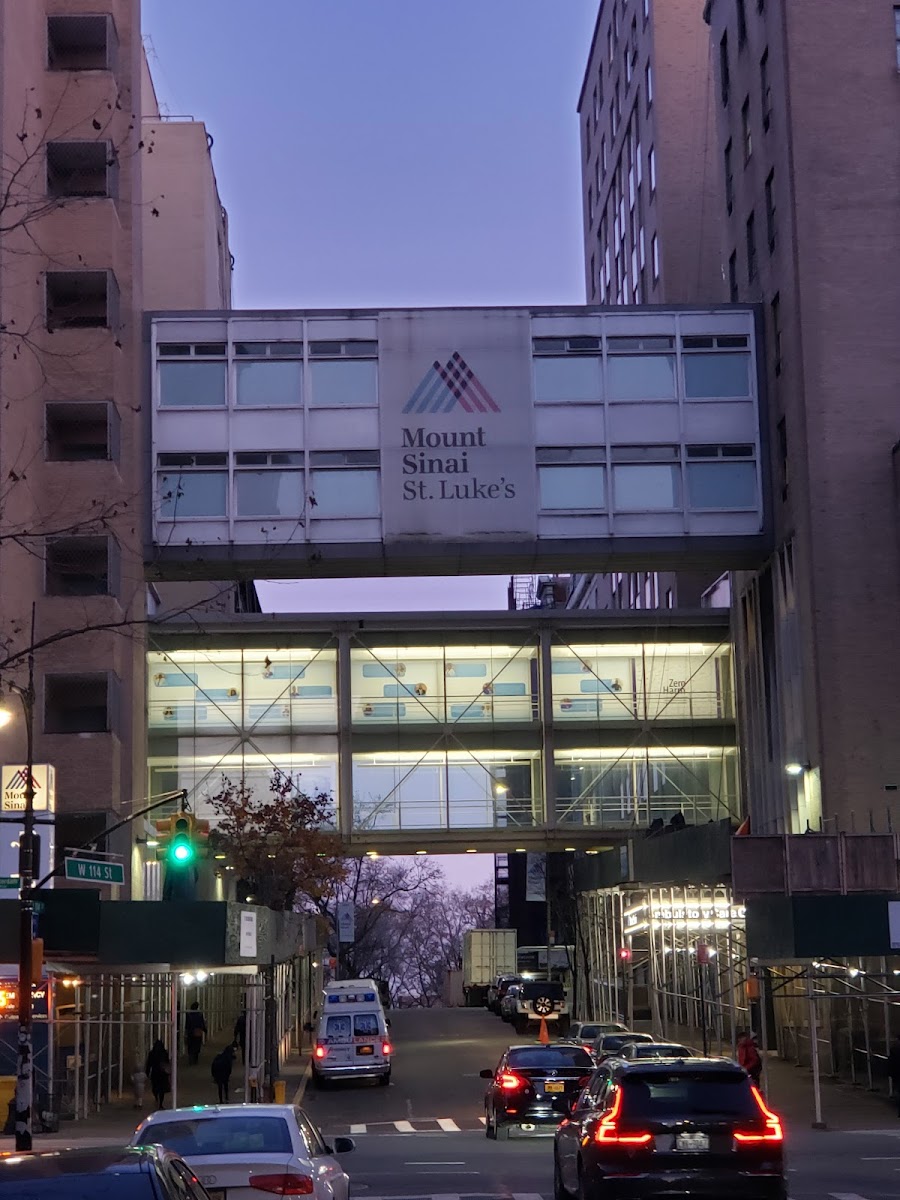
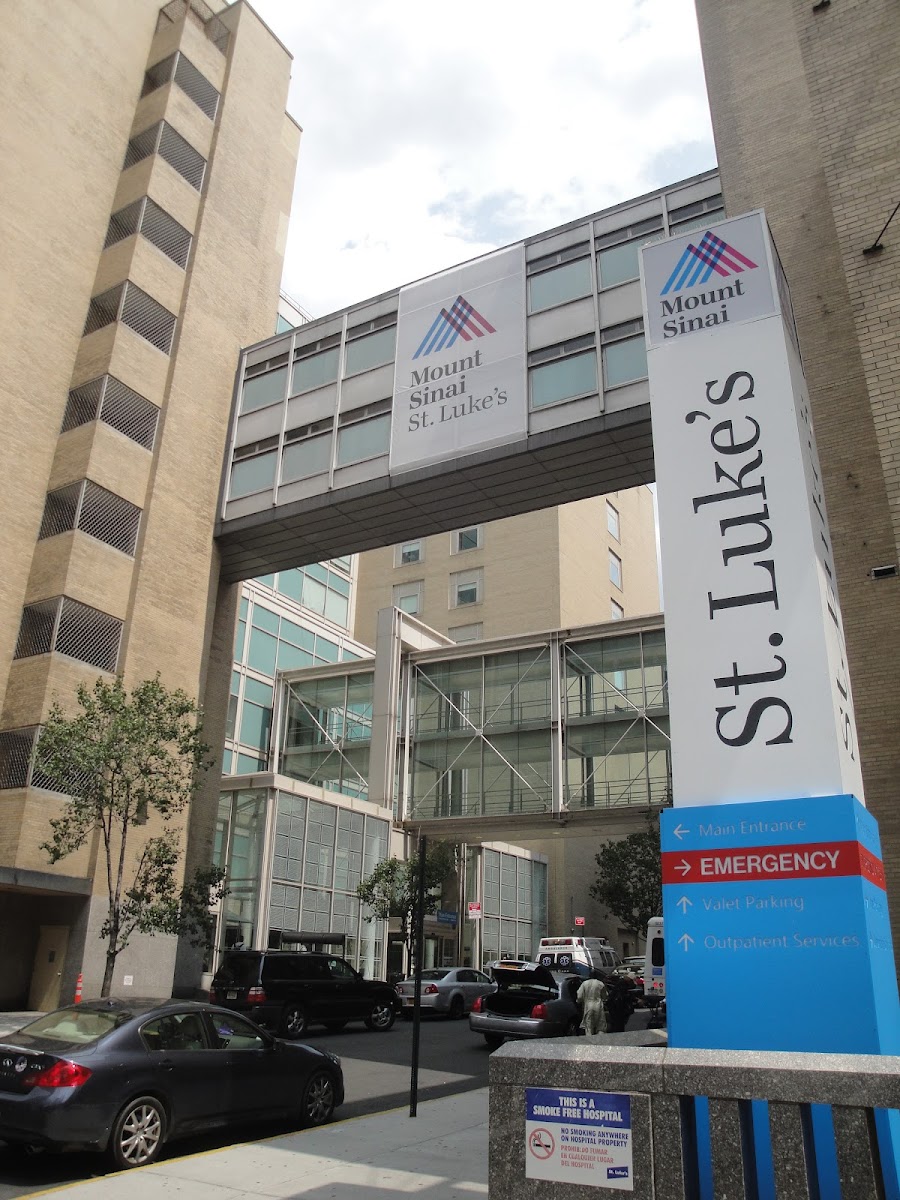
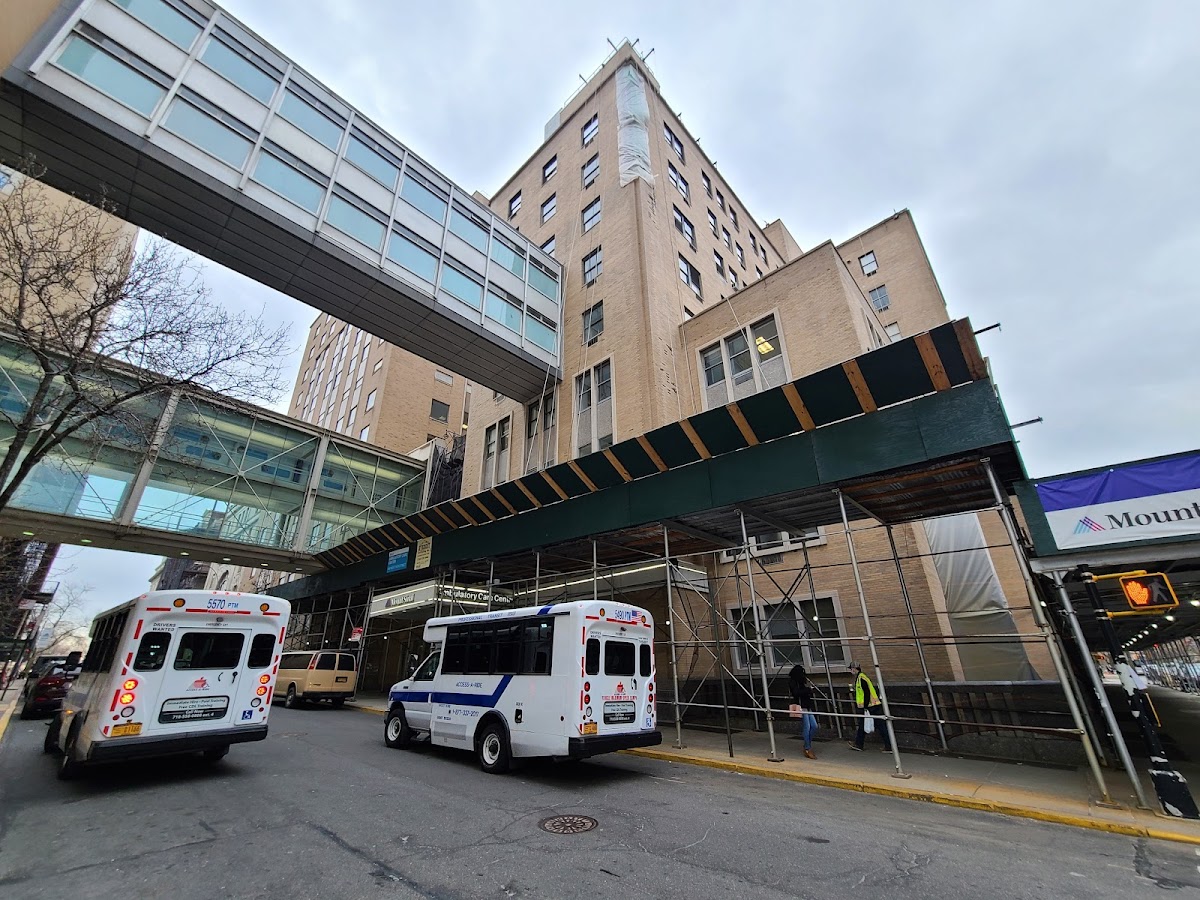
Mount Sinai Morningside is a historic and leading healthcare institution serving the West Harlem and Morningside Heights communities of New York City. Founded in 1847 as St. Luke's Hospital, the institution has evolved into a comprehensive medical center with 495 beds that combines nearly two centuries of medical excellence with deep community commitment. The hospital's current structure, designed by renowned architect Ernest Flagg and erected in 1896, stands as a testament to its enduring presence in Manhattan's medical landscape, with portions designated as New York City landmarks and listed on the National Register of Historic Places.
Mission and Community Focus
Mount Sinai Morningside operates as the principal healthcare provider for West Harlem and Morningside Heights, serving as a vital resource for residents facing varied social and economic challenges. The institution is committed to meeting the comprehensive health needs of its community while maintaining its core value of service to those in need. As a member of the Mount Sinai Health System, the hospital combines neighborhood-focused care with access to world-class medical expertise and research capabilities.
Historical Legacy and Medical Firsts
The hospital's history is marked by pioneering contributions to American medicine. In 1861, during the Civil War, Mount Sinai Morningside devoted nearly half its capacity—100 beds—to sick and wounded soldiers, demonstrating its commitment to serving beyond its immediate community. The institution established itself as a leader in childhood diseases, including tuberculosis and orthopedic conditions, with orthopedic surgery becoming its first specialty service. In 1869, the hospital established the Century Fund to prevent annual debt accumulation, showing early financial stewardship.
Throughout the 20th century, the hospital continued its tradition of medical innovation. In 1922, it instituted radio reception for patients, becoming among the first hospitals in New York City to do so. The following year, in 1925, Mary Breckinridge, a School of Nursing graduate, established the Frontier Nursing Service (now Frontier Nursing University) to bring nursing care to isolated areas of Appalachia, with nurses initially traveling on horseback. In 1942, the hospital opened the Blood and Plasma Bank, including blood testing and plasma-processing facilities. By 1949, when New York City's contagious disease hospitals became overwhelmed with poliomyelitis patients, Mount Sinai Morningside was the city's only voluntary hospital to accept and treat the overflow.
Specialized Centers and Services
The hospital is home to the Al-Sabah Arrhythmia Institute, a world-class, multidisciplinary center specializing in the care and treatment of heart ailments. This reflects the institution's proud tradition of medical firsts, particularly in cardiology and cardiac surgery. The hospital operates one of Manhattan's few Level 2 trauma centers, verified by the American College of Surgeons, ensuring comprehensive emergency and critical care capabilities.
Comprehensive Medical Specialties
Mount Sinai Morningside offers exceptional clinical care across numerous medical specialties. The hospital provides services in internal medicine, geriatrics, trauma, bariatric surgery, vascular disease, HIV/AIDS care, cardiac care, physical rehabilitation, psychiatric disorders, and substance abuse treatment. Additional services include cancer care, dermatology, digestive diseases and gastroenterology, emergency services, endocrinology and diabetes, infectious diseases, lung and pulmonology services, and an infusion suite. The hospital continues to expand its commitment to community-based ambulatory care and access to primary and specialty care.
Academic Affiliation and Training
Since 1947, Mount Sinai Morningside has maintained an affiliation agreement with Columbia University, wherein the hospital provides clinical instruction and practice to senior medical students while Columbia provides advanced instruction in basic sciences to the hospital's house officers pursuing advanced training. This academic partnership enhances the quality of medical education and training at the institution.
Unique Value Proposition
What sets Mount Sinai Morningside apart is its unique combination of historic significance, community dedication, and cutting-edge medical capabilities. The hospital serves as a neighborhood institution deeply rooted in its community while maintaining connections to world-class research and medical innovation through its Mount Sinai Health System affiliation. Its Level 2 trauma center, specialized cardiac services, and comprehensive range of medical specialties make it a full-service medical facility capable of treating complex conditions. The institution's commitment to addressing both medical and social needs of its patients, combined with its pioneering spirit in medical research and practice, positions it as a leader in urban healthcare delivery.